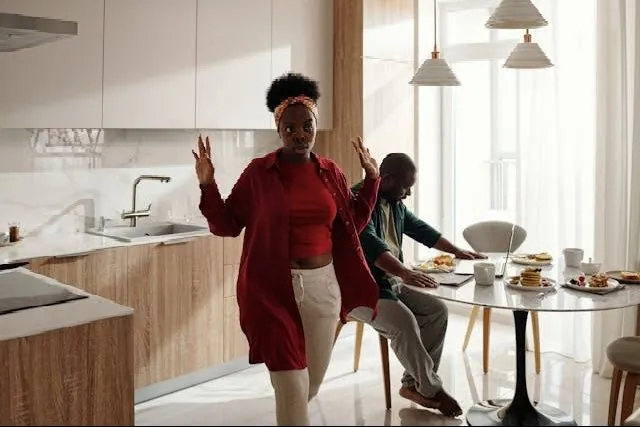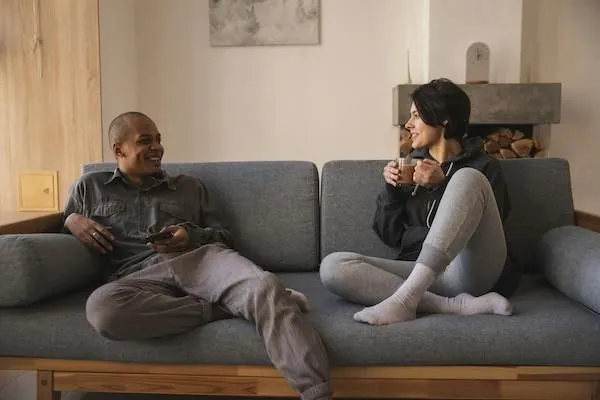

Couples counseling should not be a place where two people make their case for an hour and leave with the same argument. The goal is to understand the pattern that keeps the conflict going, practice new ways of responding, and build a clear plan for change.
Early sessions can bring up hard feelings because they ask both partners to look at familiar patterns honestly. That can be uncomfortable, but difficult is not the same as going nowhere. Helpful counseling gives both people a way to name what happens between them and a path for doing something different. See what to expect in the first three sessions to understand how that process can begin.
Over the years I've developed a habit of summarizing the core concepts behind my work so I can share them with new clients before we begin. What follows is information about relationships so foundational that couples counseling can't do much good until both partners understand it.
Shift From Making Points to Understanding Feelings
Couples counseling is, at its core, about helping couples move from content-focused communication to context-focused communication.
Content is the words being said. Context is the emotional reality, the lived experience, underneath those words. Research consistently shows that context is almost always what matters most. When partners are genuinely good at communication, they're paying attention to context — what their partner is actually trying to convey about how they feel and what they need. When partners focus only on content — agreeing or disagreeing with the literal words — conflicts tend to escalate quickly.
Feelings and subjective experiences don't just matter in relationships. They are, in a real sense, determinative. The degree to which you can tune into your partner's emotional experience largely determines the health of your relationship.
You Must Learn to Validate Feelings
Validating a feeling doesn't mean agreeing with every fact or detail your partner presents. It means acknowledging that their experience is real and makes sense from where they're standing.
- "It makes sense that you'd feel that way."
- "I can understand at least part of that."
- "Given your experience, of course that's how it feels."
Feelings are not pieces of content to be opposed and argued with. They are the relationship itself — the place where connection is either deepened or damaged. You cannot demand that your partner simply stop feeling a certain way. That's not how feelings work, and that kind of demand always erodes trust.
A Few Facts About Arguments
Sixty-nine percent of all conflict is unresolvable. Most of what couples argue about are perpetual issues rooted in fundamental differences in personality, values, and needs. This means your communication has to be designed for the reality that you'll be navigating these differences for the life of the relationship — not resolving them once and moving on.
Ninety-five percent of the time, the first two minutes of an argument predict how it will end. Nothing matters more than how you start.
How to Start a Difficult Conversation
The research-backed formula for a productive opening is simple. Lead with your feeling: "I feel…" Add the specific behavior that triggered it: "When you…" State what you need: "I need…" No criticism, contempt, sarcasm, or blame in that opening. Just your internal experience and your request.
You might say, "But Dave, I can't control my emotions with my partner." I'd suggest you can. You probably do control yourself in difficult conversations with your boss, your close friends, your neighbors. The difference is that with your partner, you've developed a habit of not doing it. Habits can change. It takes practice and it's uncomfortable at first — but it's the kind of uncomfortable that leads somewhere good.
How to Respond
When your partner shares something difficult, your job in that moment is not to express your point of view. It's to listen, validate, and show genuine empathy. Arguments happen when partners respond to their own feelings about what was said rather than to the feeling being expressed. The better you get at responding to your partner's inner experience instead of their outer words, the closer they'll feel to you — and the more deeply they'll love you.
All of this is counterintuitive. All of it requires practice. That's exactly why so many couples struggle — and why couples counseling, done well, can make such a difference.
How to Tell Whether Couples Counseling Is Helping
Progress is not measured by never arguing again. It is measured by whether you are beginning to understand the pattern underneath the argument and respond differently when it shows up.
- You can describe the cycle you get caught in, instead of only describing what your partner does wrong.
- Hard conversations become less about winning and more about understanding what is happening for each person.
- You leave with a clearer sense of what to practice between sessions and why it matters.
- Both partners know what the work is trying to change, even when the change is gradual.
If sessions repeatedly turn into the same fight with no clearer plan, it is reasonable to ask what pattern the counseling is addressing, what each partner can practice between appointments, and how you will recognize progress. A thoughtful process does not promise instant relief, but it should help the work feel more focused over time.
For couples who want a structured approach to communication, conflict, trust, and connection, couples therapy can offer a focused place to begin.