
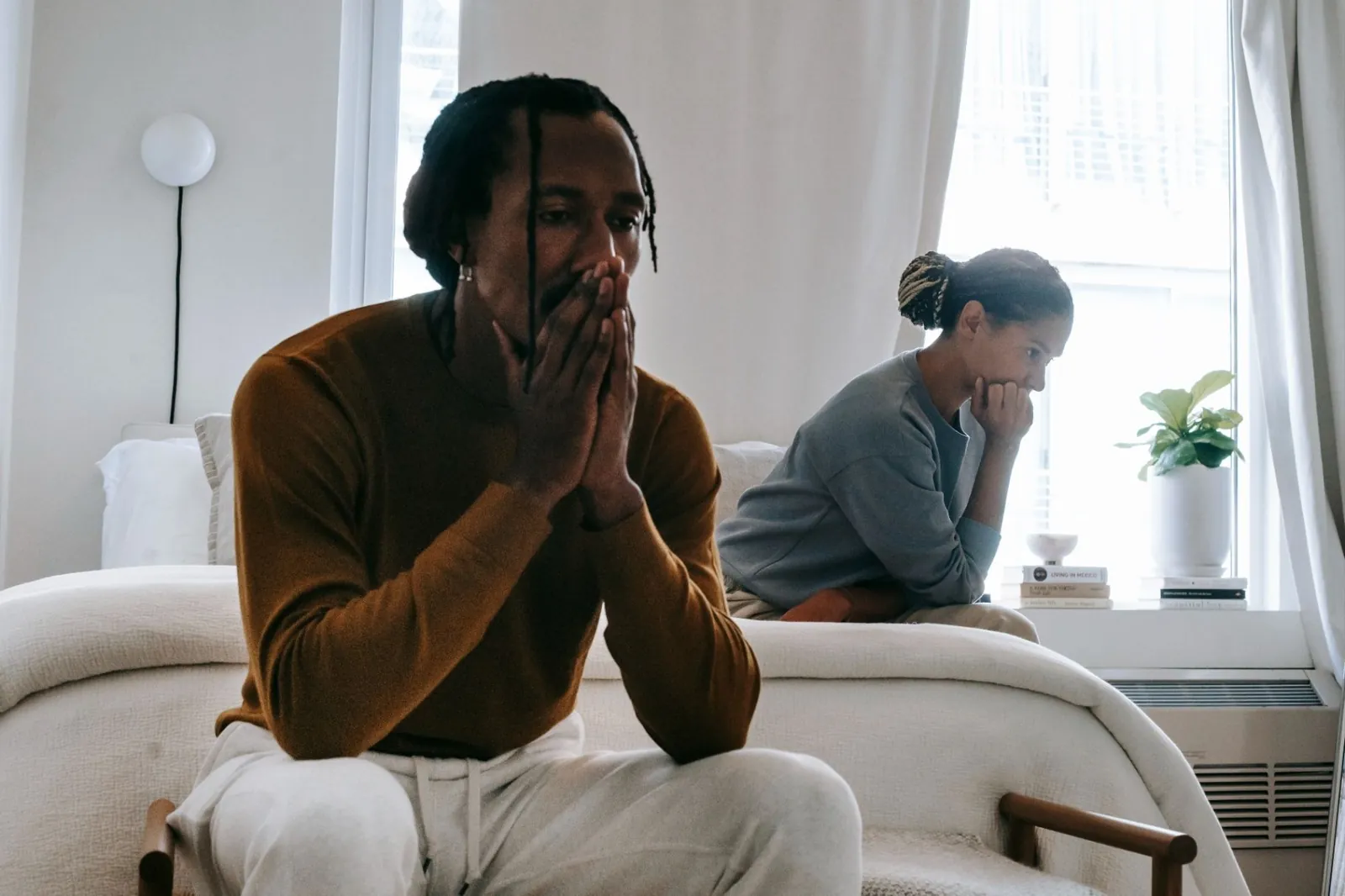
One of the most disorienting things couples describe is how different their experience of the same relationship can be. One partner feels lonely and disconnected. The other feels like everything is basically fine. One feels the distance acutely. The other is blindsided when it's brought up. Same relationship, two completely different realities.
This isn't one partner lying and the other telling the truth. It's the natural result of how two different people connect — and what each person needs to feel that connection.
Two Ways of Connecting
Some people connect primarily through shared emotional conversation — the long talks, the checking-in, the processing of the day together. For these partners, the relationship is alive and present when emotional intimacy is regular and sustained. When it drops off, the relationship feels distant, even if they're physically together all the time.
Other people connect primarily through companionship — being in the same space, doing things together, the comfortable presence of the person they love nearby. For these partners, waking up next to someone, raising kids together, sharing a home — that's connection. It feels like the relationship is doing fine, because from inside their experience, it is.
The Disconnect This Creates
Put these two people together and you get an almost-guaranteed mismatch. The conversation-oriented partner is starved for emotional closeness and says so, often intensely. The companionship-oriented partner is genuinely puzzled — "We're together all the time, what more do you want?" — and interprets the complaints as criticism or as impossible to satisfy.
Neither is wrong about their own experience. They're each living in the reality of how connection works for them. The problem is they've been assuming the other person connects the same way.
What Helps
Understanding which mode each partner uses — and taking that difference seriously rather than treating one as more valid than the other — is usually where the work begins. The conversation-oriented partner needs to understand that their partner's experience of the relationship is genuinely different, not deficient. The companionship-oriented partner needs to understand that their partner's need for emotional intimacy is real, not a demand for something unreasonable.
From that foundation of mutual understanding, it becomes possible to build something that actually works for both people.