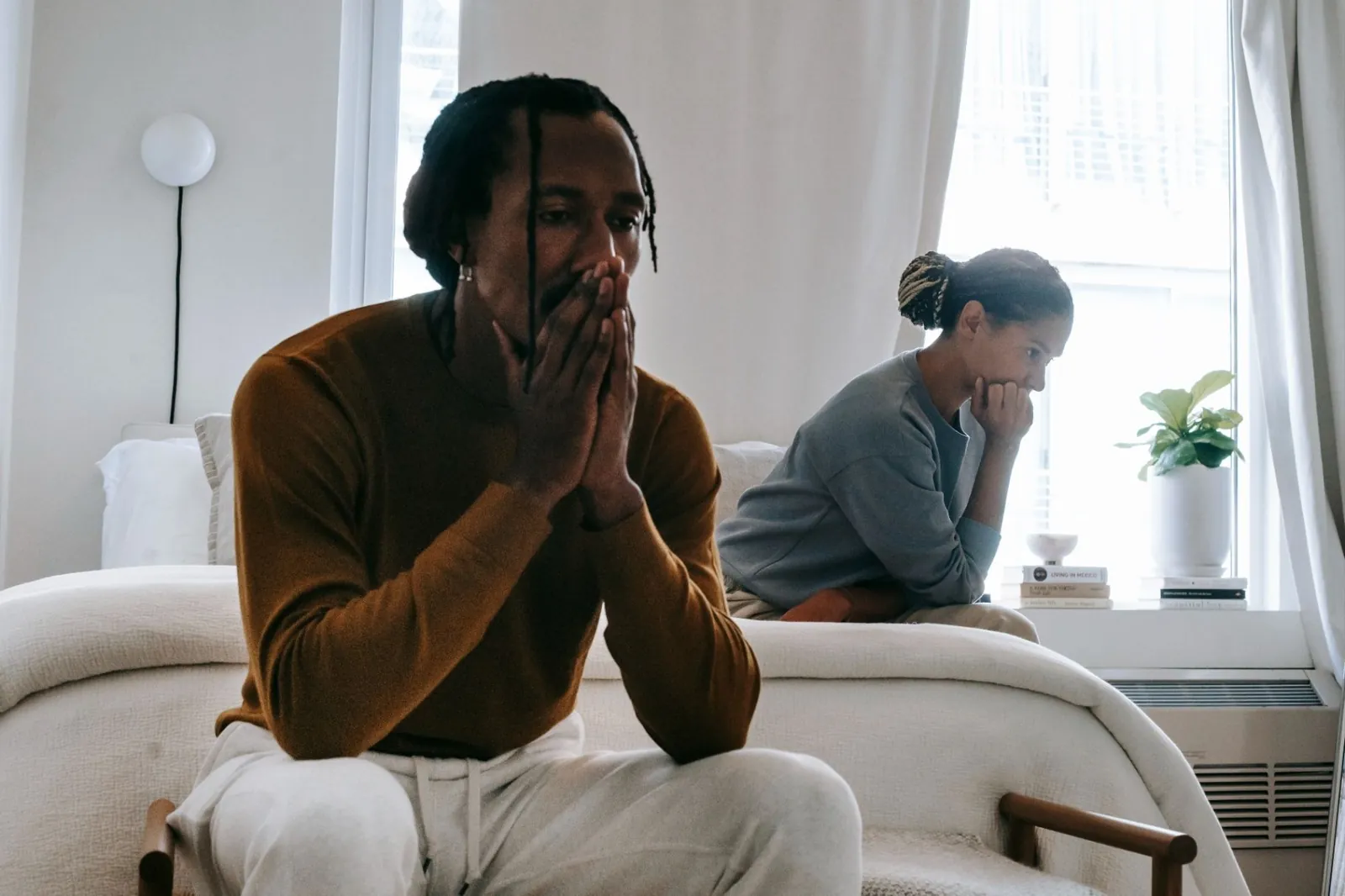
Depression doesn't only affect the person who has it. It affects the relationship — often profoundly, and in ways that neither partner fully understands until someone names what's happening.
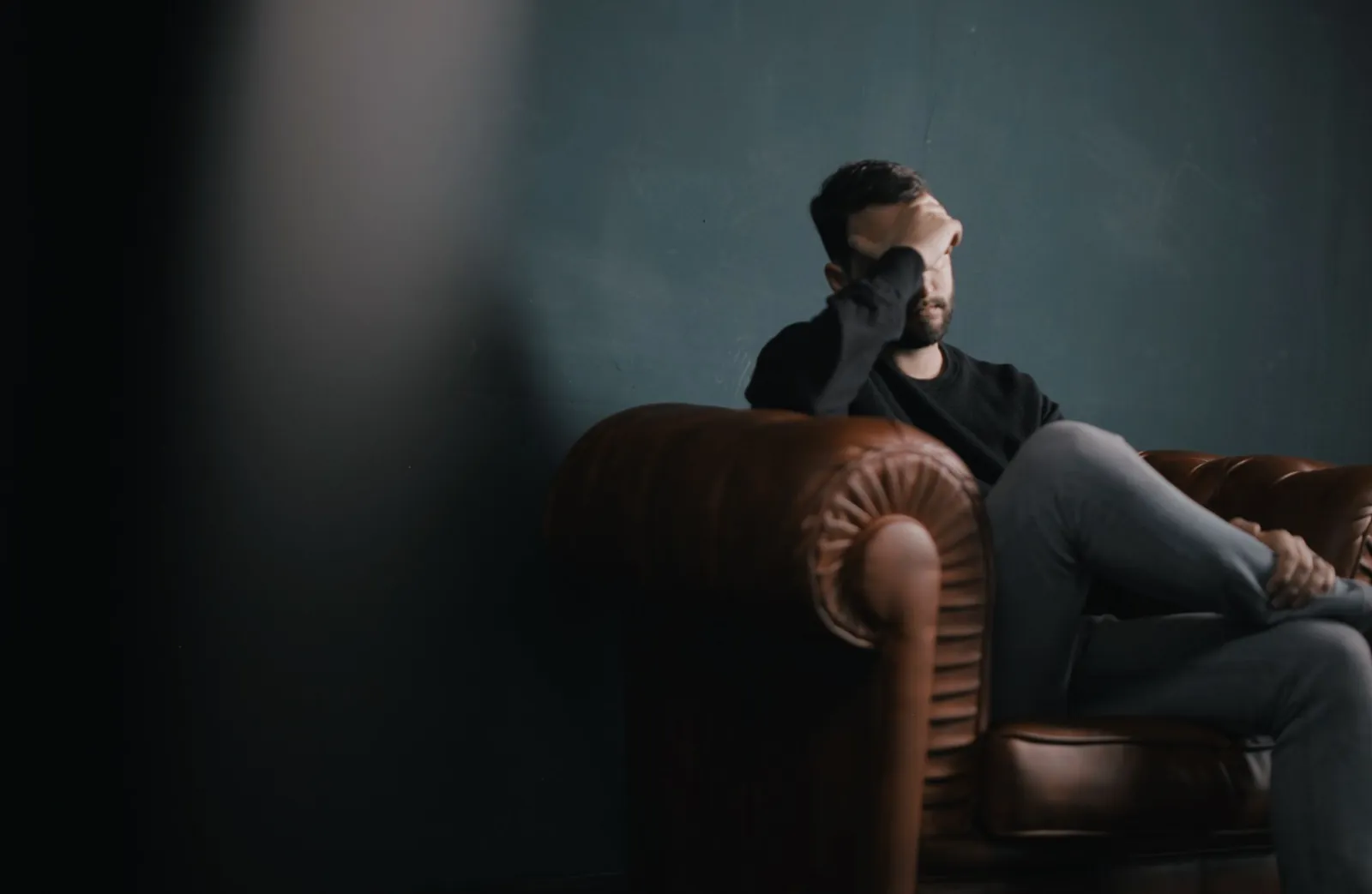
The depressed partner withdraws. Loses interest in things they used to care about, including the relationship. Has difficulty being present, engaged, or emotionally available. May feel irritable rather than sad — which reads to the other partner as anger or rejection rather than illness.
The non-depressed partner often feels abandoned. They reach for connection and get very little back. They may try harder and harder to get through, which exhausts both people. Or they may pull back, interpreting the withdrawal as indifference to them specifically. The relationship suffers, which makes the depression worse, which makes the relationship suffer more.
Why Couples Counseling Helps
When depression is a factor, couples counseling alone is rarely sufficient — the depressed partner usually needs individual treatment as well, whether therapy, medication evaluation, or both. But couples counseling plays a specific and important role that individual treatment doesn't cover.
It helps the couple understand what they're actually dealing with. Depression has identifiable symptoms and predictable effects on relationship functioning. When both partners understand what the illness is doing — and can separate it from what either of them is "doing to" the other — the dynamic changes. The non-depressed partner stops taking the withdrawal personally. The depressed partner stops feeling like they're failing their partner on top of everything else.
It also helps both partners develop a plan for how to support the depressed partner's treatment while maintaining the relationship. What does the non-depressed partner need? What can the depressed partner realistically offer while also managing an illness? Those are solvable questions once they're in the room together.
An Important Note
If you or your partner is experiencing symptoms of clinical depression — persistent low mood, loss of interest, changes in sleep or appetite, difficulty functioning — please take that seriously as a health issue, not just a relationship issue. A primary care physician or mental health professional should be part of the conversation.